by Javier Sánchez-Monedero (Data Justice Lab)[EN] After weeks of debate on the implications of contact-tracking applications to fight COVID-19, there is an urgent need to interrogate their effectiveness and social impact beyond privacy and data protection issues. The recent proposal by Google and Apple imposes a model of governance of the pandemic that has been already adopted by many countries. However, the applications are useless in the face of the scarcity of other resources, such as health personnel with specific training, availability of reliable and rapid diagnostic tests, legal reforms or socio-health responses. In addition, tracing systems based on apps could systematically exclude vulnerable social groups as well threatening individual and collective rights.
[ES] Tras semanas de debate sobre las implicaciones de las aplicaciones de rastreo de contactos para luchar contra la COVID-19 urge analizar su eficacia e impacto social más allá de la privacidad y protección de datos. La alianza de Google y Apple de facto un modelo de gobernanza sanitaria desde las multinacionales que ya han aceptado muchos países. Sin embargo, las aplicaciones son inútiles ante la escasez de otros recursos, como personal sanitario con formación específica, disponibilidad de pruebas diagnósticas fiables y rápidas, reformas legales o respuestas sociosanitarias en caso de contagio, que a día de hoy, siguen siendo insuficientes. Además, los sistemas de rastreo mediante móviles podrían excluir sistemáticamente a grupos sociales vulnerables, además de presentar riesgos para los derechos individuales y colectivos.
(The first part of this post was published on May 18. Read it here]
Más allá de la privacidad y protocolos de rastreo
En mayo de 2020 el debate se sigue centrando en cuestiones de privacidad y modelo centralizado o descentralizado, pero la única alternativa es que la que permitan las tecnológicas. Suiza ya está desarrollando su aplicación sobre la plataforma que ofrecen Google y Apple y la Unión Europea ha escrito unas recomendaciones que son compatibles con esta propuesta.
Sin embargo, quedan muchas preguntas por hacer. ¿Pueden funcionar estos sistemas?¿Bajo qué hipótesis?¿Afectarán a todas las personas por igual?¿Excluirá a colectivos sociales?¿Deberíamos estar hablando más de otro tipo de medidas? En la segunda parte de este artículo analizaremos si es posible que funcione el rastreo de contactos y qué problemas y riesgos plantean estas propuestas más allá de cuestiones de privacidad y protección de datos.
En la primera parte de este artículo hemos analizado los problemas de puesta en práctica del modelo de rastreo de contactos de Singapur, así como las propuestas que hay sobre la mesa a nivel europeo. En esta segunda parte analizamos las hipótesis de éxito del rastreo automatizado así como riesgos de exclusión e impacto desigual de estos sistemas.
¿Podría funcionar el rastreo de contactos?
El debate sobre modelos de aplicaciones de rastreo apenas cuestiona la supuesta utilidad de este despliegue y se está centrando fundamentalmente en el “cómo” hacerlo y el impacto en la privacidad de las personas y la compatibilidad con leyes de protección de datos. El Parlamento Europeo acaba de publicar un documento sobre el rastreo de móviles como estrategia de lucha contra el coronavirus donde las referencias sobre utilidad de estas soluciones tecnológicas provienen de medios de comunicación estadounidenses, como Wired, caracterizados por su devoción por el solucionismo tecnológico. Como en otros temas, sobre todo relacionados con la puesta en marcha de sistemas de vigilancia en Europa, el Europarlamento sigue las recomendaciones de la Comisión Europea que “recomienda apoyar las estrategias de salida del confinamiento que se basen en datos móviles y aplicaciones” sin aportar ninguna evidencia sobre la supuesta utilidad. No obstante, según las hipótesis y simulaciones matemáticas del mencionado artículo en Science del equipo de Ferretti, y que cita Singapur como caso de éxito (lo era en el momento de escribirse), la adopción generalizada de esta aplicación, por parte de la población, junto con medidas de distanciamiento físico, ayudaría a controlar la pandemia.
Diversos artículos e incluso el propio Parlamento Europeo citan al estudio de Ferretti para justificar que una tasa de adopción de la aplicación del 60 % de la población podría controlar la epidemia. Sin embargo, esta cifra debe interpretarse correctamente y comprender las condiciones necesarias. En el estudio se plantean varios escenarios (ver siguiente figura) que dependen de lo rápido que se aislé a una persona diagnosticada y también a las personas asintomáticas que han estado en contacto con esta. Todos los escenarios asumen un ritmo reproductivo R0=2.0. Tanto los periodistas como el Europarlamento consideran el escenario más favorable, que es el aislamiento inmediato (figura de la derecha). Ignorando los márgenes de error, si un 60 % de las personas diagnosticadas utilizan la aplicación y se aíslan inmediatamente tras el diagnóstico y el 60 % de las personas asintomáticas con las que han estado en contacto son notificadas y aisladas inmediatamente se consigue parar la transmisión. En un escenario de margen de actuación (detección, notificación y aislamiento) de 24h se necesitaría aislar al 80% de las personas con síntomas y al 60 % de sus contactos. El matiz de la ventana de actuación es importante en la operacionalización, porque significa que una buena parte de personas asintomáticas serán puestas en cuarentena sin realizar un diagnóstico. A partir de 3 días de margen de actuación el uso de aplicaciones solo ralentizará la propagación. A día de hoy, en la mayoría de países y en particular en España, estas hipótesis de margen de notificación y actuación son inviables, además de otros problemas que comentaremos a continuación.
Efectividad de las aplicaciones de rastreo en diferentes escenarios. Fuente Science.
Por el contrario, otros estudios interdisciplinares difieren de esta hipótesis. El estudio COVID-19 Rapid Evidence Review: Exit through the App Store?, publicado por el Ada Lovelance Institute, concluye que “No hay pruebas que apoyen el despliegue nacional inmediato de aplicaciones de rastreo de síntomas, aplicaciones de rastreo de contactos digitales y certificados digitales de inmunidad”. Esta conclusión afecta a las aplicaciones de rastreo, pero también a las de autodiagnóstico, como la que el Gobierno de España acaba de encargar a Telefónica o la aplicación de autodiagnóstico de la Comunidad de Madrid (con un algoritmo insultantemente simple) que además se descubrió que recopilaba sistemáticamente datos sensibles de las personas. Por otro lado, el rastreo y gestión de personas a través de sus móviles ya se ha probado con anterioridad. El investigador Sean McDonald, quien estudió este tipo de información en la pandemia de ébola de África en 2014-5 concluye en una entrevista que “el mayor determinante de la mortalidad del COVID-19 es la capacidad del sistema sanitario” y advierte de que los gobiernos están enfocando la pandemia como un problema de gestión de las personas más que de construcción de capacidad de respuesta y apunta a la falta de evidencias de que los modelos predictivos matemáticos y la tecnología de vigilancia puedan ayudar a controlar el virus.
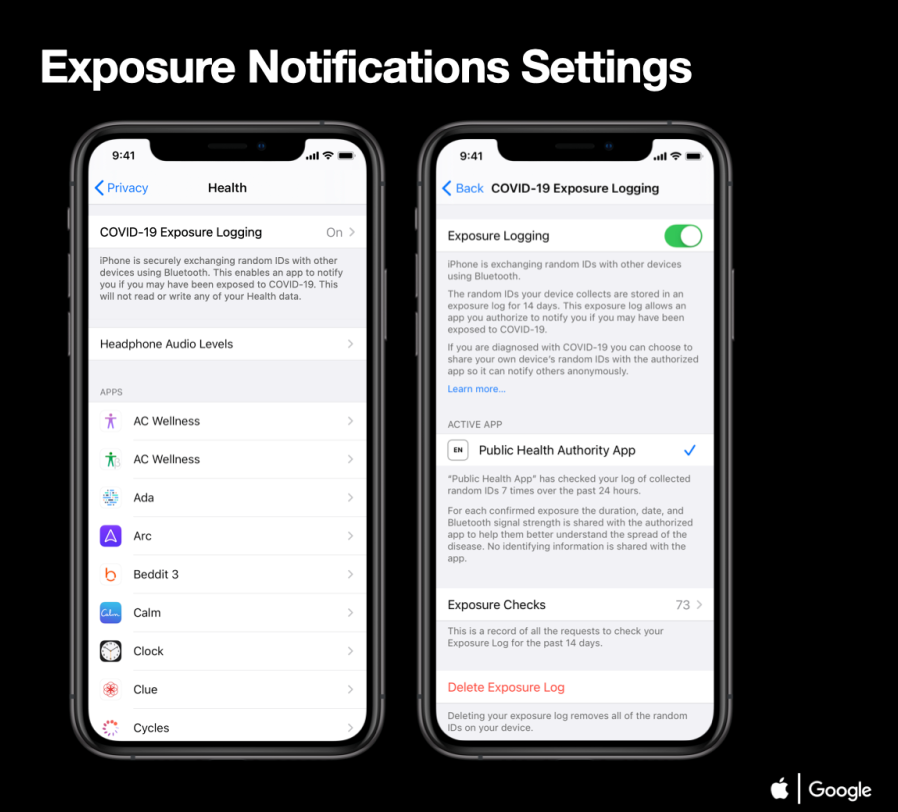
Ante la ausencia de datos de validación, resulta difícil pensar en experimentos, fuera de planes piloto minuciosos, que puedan extrapolar sus conclusiones a la diversidad de situaciones de la vida cotidiana. Por poner un ejemplo, la exposición durante unos segundos puede ser significativa entre dos personas sin mascarilla a una distancia menor de dos metros o no serlo si una de ellas la lleva, o puede no ser significativo que una persona comparta transporte público con 20 más si todas llevan la protección adecuada o mantienen la distancia oportuna. Dos vecinos de pared pueden detectarse como contactos y no haberse cruzado en semanas. Por otro lado, también es necesario estudiar la capacidad real de la tecnología bluetooth para estimar la distancia entre dos dispositivos. Ante esto, solo cabe esperar una cantidad importante de falsos positivos (personas que reciban una notificación de riesgo no justificada) y de falsos negativos (interacciones de riesgo que no son detectadas). Las capturas de la nueva actualización del sistema operativo de Apple (figura anterior) indican que el usuario puede contribuir en el calibrado de estos parámetros, aunque como vemos, sigue habiendo mucha incertidumbre asociada a la información no medible.
Más allá de los debates sobre privacidad: riesgos sobre utilidad, exclusiones y seguridad.
Además de las limitaciones técnicas de interacción entre terminales y protocolo de rastreo (que resolverían Google y Apple), se necesitará la “cooperación” de la población que disponga de terminales; esto es, que acepten el rastreo a nivel de sistema operativo, que instalen la aplicación de la autoridad regional, que se encarguen de llevar el móvil consigo en todo momento durante su desplazamiento y actividad laboral, y que, por supuesto, acudan a la asistencia sanitaria para que esta realice tests fiables y se desencadene la alerta a la cadena de contactos. Para todo esto es necesario que las personas confíen en los actores tecnopolíticos y entiendan los componentes del sistema, lo que nos lleva a privacidad desde el diseño, código abierto, protecciones legales garantistas, limitación de uso, etc. pero también que las personas no sean penalizadas laboral o socialmente al dar a conocer su enfermedad o al ser etiquetados como sospechosos por la aplicación y que cuenten con sistemas de protección social adecuados, como ya apuntamos en otro artículo.
Resulta paradójico que el artículo del equipo de Ferretti argumente que uno de los problemas del confinamiento sea que los “individuos con bajos ingresos tengan capacidad limitada para quedarse en casa” y que a la vez la solución sea disponer de un móvil de última generación con un sistema operativo actualizado que incorpore los cambios técnicos necesarios para implementar la solución tecnológica. Recientemente, Ars Technica publicó un artículo en el que se afirma que dos mil millones de teléfonos inteligentes activos no tienen la tecnología necesaria para participar en el esquema de detección de contactos propuesto por Apple y Google. Precisamente, la mayoría de estos dispositivos incompatibles son los que utilizan las personas con pocos ingresos o las personas mayores. Otros 1500 millones de personas que utilizan móviles “no inteligentes” quedarían excluidas directamente. Por supuesto, segmentos completos de la población, como personas en exclusión social, mayores o niños no tienen móviles de ningún tipo. Ante semejantes datos, parece naíf pensar en un escenario de adopción generalizada de esta situación que además no incremente, aún más, las desigualdades estructurales de nuestras sociedades.
Las exclusiones del sistema de alarma no tienen que ver solo con el “parque” móvil sino también con las variables, pesos y umbrales del modelo riesgo. La conceptualización matemática del riesgo al modelar comportamientos puede resultar en impactos muy dispares a diferentes grupos sociales y colectivos, a menudo los más vulnerables, que no se han considerado durante el diseño y validación del modelo. La experiencia los sistemas de análisis de movilidad de las personas a menudo conceptualizan técnicamente el fenómeno que estudian excluyendo a colectivos. Pensemos, por ejemplo, cómo se mueve e interactúa, junto con su móvil, una trabajadora interna en un hogar o una abogada con un despacho propio.
En cualquier caso, todas las opciones de seguimiento de contactos a través de bluetooth son susceptibles de una serie de ataques individuales o globales al conjunto del sistema. Hablar de los problemas de interoperabilidad y seguridad de bluetooth daría para varios artículos, pero aquí daremos algunos ejemplos. Es factible inyectar falsos encuentros a los móviles para disparar falsas alarmas o por el contrario sabotear la detección de contactos. Además, es posible desplegar un sistema de dispositivos bluetooth a lo largo de una ciudad para recoger identificadores efímeros y direcciones físicas de los sensores bluetooth (dirección MAC) para reindentificar a las personas. Independientemente del protocolo, DP-3-T u otros, las aplicaciones de las autoridades regionales necesitan comunicarse con un servidor central que podría revelar la identidad de las personas. Para más información, el equipo de DP-3T ha publicado un análisis completo de estos y otros riesgos. Las amenazas no son solo para la protección individual, sino que puede afectar a nivel de los estados hasta el punto de que los servicios de seguridad de Países Bajos enviaron una carta de cinco páginas al Ministerio de Sanidad Neerlandés advirtiendo de los riesgos de seguridad nacional que podría suponer el despliegue apresurado de aplicaciones de estas características.
Aplicaciones de rastreo: de bala de plata a posible parte de una solución
El rastreo de contactos es una práctica de salud pública utilizada para la respuesta a enfermedades infecciosas. Necesitamos protocolos de detección, investigación y reacción rápidos para los que las aplicaciones de seguimiento pueden ser un elemento más pero en ningún caso sustituir ni menoscabar los trabajos epidemiológicos hechos por personas que, como tales, tienen capacidad y flexibilidad para adaptarse e indagar en situaciones diversas. En las narrativas sobre la eficacia tecnológica se suelen eliminar tanto las incertidumbres funcionales o de seguridad en torno a las herramientas como el rol de las personas en las tareas y su interacción con la tecnología. A menudo se ignora que algunos de los países que han tenido éxito deteniendo la pandemia coinciden con los que en 2003 sufrieron la epidemia SARS. La preparación y respuesta ante epidemias van más allá de las soluciones técnicas, significa “disponer de recursos, competencias, planes y legitimidad política para desplegar las soluciones cuando hagan falta”. Las aplicaciones son inútiles ante la escasez de otros recursos, como personal sanitario con formación específica, disponibilidad de pruebas diagnósticas fiables y rápidas, reformas legales o respuestas sociosanitaria en caso de contagio, que a día de hoy, siguen siendo insuficientes. Por tanto, su papel debe ser de apoyo a las intervenciones desde la Salud y la Sanidad Públicas y no deben servir de coartada para evitar tomar otro tipo de decisiones. Por ejemplo, numerosos medios de comunicación y profesionales están denunciando la falta de planes y personal con formación epidemiológica para seguir el rastro de nuevos contagios. En cualquier caso, los márgenes temporales de diagnóstico y aislamiento propuestos por el equipo de Ferretti, que proporcionan la evidencia científica que justifica el despliegue de estos sistemas de vigilancia, están lejos de ser realistas en nuestro país.
Resulta sorprendente y preocupante que, en general, periodistas, políticos y ciudadanía se centren en debates sobre estas aplicaciones mientras se deja de lado medidas esenciales y con efecto positivo demostrado como el refuerzo de la atención primaria, desmantelada en la Comunidad de Madrid durante la gestión de la crisis. Puestos a hacer una inversión tecnológica, parece más sensato invertir esfuerzos en mejorar la calidad e integración de datos desde las diferentes administraciones sobre casos confirmados, datos que ya están en manos de las administraciones públicas custodiados por empleados públicos y sujetos a una protección legal clara.
Los problemas de reutilización de la tecnología siempre van a planear sobre cualquier opción. Sabemos que la mayoría de sistemas de vigilancia que se han implantado durante diferentes crisis han permanecido después en la sociedad. Durante el confinamiento, Marruecos ha usado la información de localización de aplicaciones de citas para identificar a hombres homosexuales. Nada impide, con opción descentralizada o no descentralizada, que regímenes no democráticos obliguen a entregar las claves efímeras recibidas para comprobar si un grupo de personas han tenido contacto entre ellas. Hemos de considerar el riesgo de que estas aplicaciones sean parte o normalicen los sistemas de vigilancia a las trabajadoras y trabajadores, tal y como advierte el European Trade Union Institute. No podemos olvidar los riesgos para la seguridad colectiva tales como la generación de falsas alarmas por actores con multitud de intereses. Por tanto, estamos ante un movimiento arriesgado que valorar sin prisas tras un debate científico, interdisciplinar y social.
El rastreo de contactos basado en apps excluirá a personas en situación de vulnerabilidad como personas con pocos ingresos, menores, mayores y, seguramente, otros grupos que nos cuesta anticipar. Las exclusiones sistemáticas de grupos de la población afectarán a la precisión y por tanto a la utilidad real de cualquier solución, descentralizada o no. Esta advertencia, junto con otras, se plantean en el documento sobre garantías en derechos del documento “The Coronavirus (Safeguards) Bill 2020”. A día de hoy, desconocemos cualquier estudio o simulación matemática que analice los impactos desiguales que estas soluciones podrían tener sobre colectivos vulnerables. Debemos, en general, reflexionar sobre qué significa la validación de la evidencia, quién la realiza y qué significa esta validación para cada comunidad.
Cualquier despliegue de sistemas de rastreo necesita la adopción masiva a unos niveles probablemente muy difíciles de conseguir considerando las exclusiones de los sistemas propuestos. En todo caso, sería esencial conseguir la confianza de la sociedad. Las personas tienen que saber que su privacidad y derechos serán respetados, y para ello, la instalación de la app debe ser un acto voluntario y sin consecuencias negativas para el individuo en caso de no hacerse o no poderse hacer. No podemos permitir que los grupos más vulnerables vean mermados sus derechos de movilidad, laborales o de acceso a espacios por no poder pagar un móvil con las prestaciones necesarias.
Debemos permanecer vigilantes ante las propuestas de solucionismo tecnológico donde las empresas están no solo imponiendo un modelo de gobernanza sobre la gestión de la pandemia, que afecta a derechos individuales y colectivos, sino limitando el imaginario de soluciones y sirviendo a la agenda de la austeridad con la promesa de reemplazar o reducir las medidas de salud pública eficaces por medios tecnológicos inteligentes. No debemos olvidar que las intervenciones sociotécnicas no solo monitorizan, sino que disciplinan a la ciudadanía, y que dejar que las empresas de Silicon Valley definan e implementen la gobernanza de cada vez más aspectos de la vida es un ataque directo a la democracia y los derechos individuales y colectivos.
Gracias a todo el colectivo de La Paradoja de Jevons y a Elena Ruiz Peralta por sus correcciones y aportaciones.
Author’s bio
Javier Sánchez Monedero is Research Associate at Cardiff’s School of Journalism, Media and Culture and the Data Justice Lab. With a background in Computer Science, his current research aims at filling the knowledge gap between social and media researchers and technology as well as to perform technological auditing and design proposals in the intersection of intelligent information systems