por Stefania Milan e Emiliano Treré
Traduzido do inglês por Marcelo L B dos Santos, Investigador do Centro de Investigación y Documentación (CIDOC) de la Universidad Finis Terrae, Chile (thank you very much!) e revisado por Sérgio Barbosa (Center for Social Studies, University of Coimbra, Portugal) [updated 13 April 2018 by Sergio Barbosa]
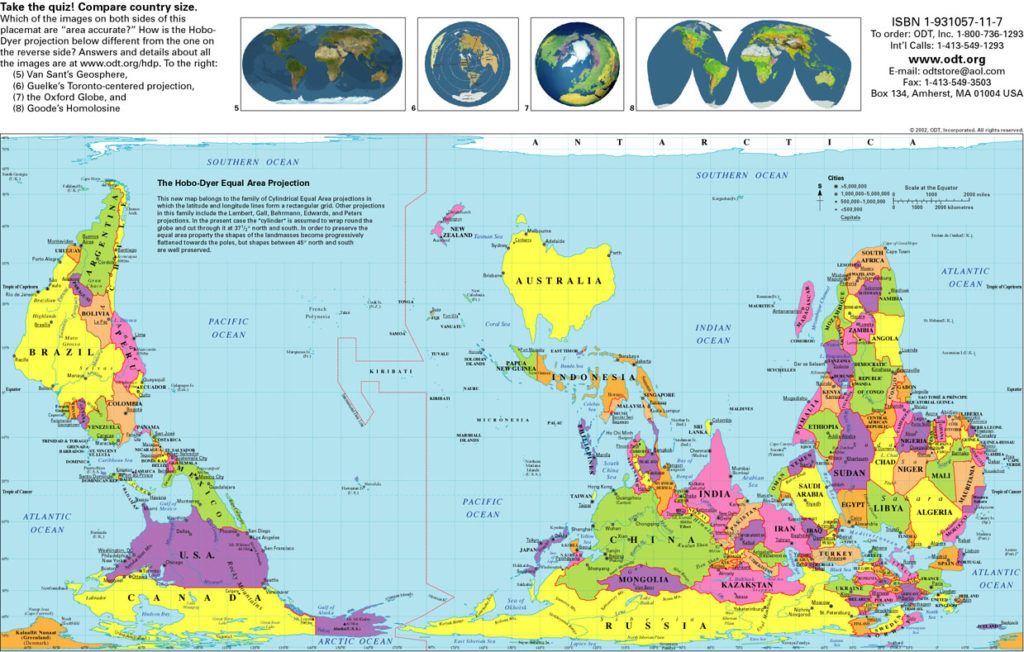
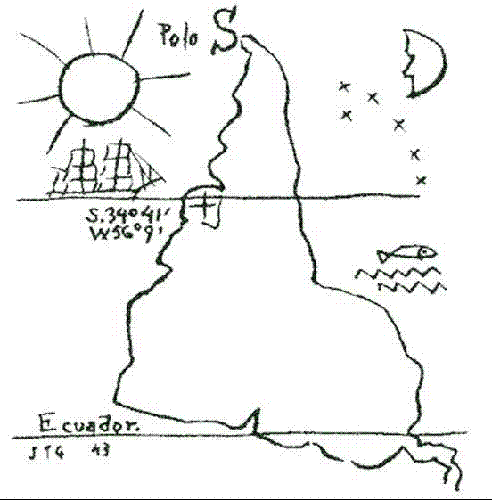
Dia 15 de julho de 2017 em Cartagena, Colômbia, cerca de cinquenta acadêmicos e ativistas se juntaram para imaginar como seria ‘Big Data desde o Sul’. Organizados com poucos recursos e muito entusiasmo por nós dois* e antecedendo a conferência anual da IAMCR em Cartagena, o evento de um dia foi concebido para promover a mudança ‘dos meios às mediações, da datificação para o ativismo de dados’, como sugere o título. Pensamos que esta linda joia do Caribe, nas margens de um país que recentemente começou a inventar um futuro pacífico para si mesmo, seria o lugar mais apropriado para dar inicio a uma conversa muito necessária sobre uma série de questões que nos têm mantido ocupados ao longo dos últimos anos: Como seria a datificação de cabeça para baixo? Que questões perguntaríamos? Que conceitos, teorias, métodos adotaríamos ou temos que desenvolver? O que perdemos ao ater-nos à(s) perspectiva(s) convencional(is) do Ocidente? Neste artigo, resumimos a conversa iniciada em Cartagena – com vistas ao futuro.
Datificação e seus descontentes: Para Além do Ocidente?
A datificação mudou radicalmente a forma que entendemos o mundo ao nosso redor. Entender o ‘big data’ significa explorar as profundas consequências deste giro computacional, as consequências para as epistemologias, ontologias e ética convencionais, bem como as limitações, erros e lacunas que afetam a coleta, interpretação e o acesso à informação em tamanha escala. Se renomados pesquisadores de diversas disciplinas já começaram a explorar criticamente as implicações da datificação através dos domínios social, cultural e político, grande parte desta produção acadêmica crítica emerge sob um eixo Ocidental conectando de forma idealizada o Vale do Silício, Cambridge, Massachusetts e o Norte da Europa. Acreditamos que falta algo nesta conversa.
Não obstante, já sabemos muito. O emergente campo interdisciplinar dos estudos críticos de dados, na intersecção entre as ciências sociais e as humanidades, chama a atenção para a potencial desigualdade, discriminação e exclusão detrás dos mecanismos de big data (Gangadharan 2012; Dalton, Taylor y Thatcher 2016). Recordamos que a problemática do big data não é meramente uma questão tecnológica ou o leme do conhecimento da inovação e da mudança, mas uma ‘mitologia’ a qual temos que indagar e abordar criticamente (i.e. boyd & Crawford 2012; Mosco 2014; Tufekci 2014; Van Dijck, 2014). É uma questão que, apesar de tingida com narrativas positivistas e modernizadoras, e amplamente louvada por suas possibilidades revolucionárias em termos de, por exemplo, participação cidadã, não está isenta de riscos e ameaças, na medida em que regimes opacos de gestão e controle da população se tornam protagonistas (ver Andrejevic 2012; Turow 2012; Beer & Burrows 2013; Gillespie 2014; Elmer, Langlois y Redden 2015). A expansão das práticas de mineração de dados tanto por corporações como pelos Estados levanta questões críticas sobre vigilância sistemática e invasão de privacidade (Lyon, 2014; Zuboff 2016; Dencik, Hintz y Cable 2016). Questões críticas também emergem das formas como o mundo acadêmico e o mundo dos negócios se relacionam de forma equivalente com a datificação: a ‘grandeza’ dos atuais enfoques sobre os dados vem sendo questionada no mundo acadêmico (Kitchin y Laurialt 2014), e nos motiva a prestar atenção nas práticas cidadãs (Couldry & Powell 2014) e em formas cotidianas de engajamento com os dados (Kennedy y Hill 2017).
Mas como essa datificação se desenvolve em países com democracias frágeis, economias instáveis e pobres? Será que nossas ferramentas conceituais e metodológicas são suficientes para capturar e entender os obscuros desdobramentos e a espetacular criatividade que emerge da periferia do império? Convocamos os descontentes da datificação para juntar forças e enfrentar juntos estas preocupações – e criar perguntas mais críticas.
Do Sul/dos ‘suis’, para além do ‘universalismo de dados’… e o universalismo da teoria social
Acreditamos que é necessário desenvolver de forma sistemática um diálogo com tradições, epistemologias e experiências que desconstroem a dominação dos enfoques Ocidentais para a datificação, os quais não são suficientes para reconhecer a pluralidade, diversidade e riqueza cultural do Sul (dos ‘Suis’) (ver Herrera, Sierra y del Valle 2016). Tal como Anita Say Chan (2013), nós também sentimos que muitos enfoques críticos ainda se apoiam em um tipo de ‘universalismo digital’ que tende a assimilar a heterogeneidade de diversos contextos e invisibilizam as especificidades e as diferenças culturais. Gostaríamos de contribuir para o presente diálogo sobre a urgência de uma ‘Teoria do Sul’ que ‘questione universalismos no campo da teoria social’. Nos somamos a Payal Arora reivindicando que ‘precisamos de estudos conjuntos e sustentados no tempo sobre o papel e o impacto da big data no Sul Global’ (2016: 1693) – e, para avançar um passo adiante, ampliando o espectro para incluir todos os ‘Suis’ no plural que habitam nosso universo cada vez mais complexo.
Tal como Arora (2016) e Udupa (2015) nos recordam, apesar da maioria da população viver fora do Ocidente, continuamos enquadrando a maioria dos debates essenciais sobre democracia e vigilância – e as demais demandas associadas a modelos e práticas alternativas – por meio de preocupações, contextos, padrões de comportamento e teorias Ocidentais. Se bem reconhecemos as contribuições essenciais que muitos de nossos incríveis colegas (e nos desculpem se não incluímos todos), sentimos que algo está faltando na conversa, e que só um esforço coletivo a través das disciplinas, idiomas e campos de pesquisa poderá nos ajudar a re-considerar big data a partir do Sul. Nossa definição de Sul é flexível e expansível, inspirada nos escritos do sociólogo Boaventura de Sousa Santos (2007 e 2014), quem provavelmente foi o primeiro a escrever sobre a emergência e a urgência de epistemologias do Sul contra o ‘epistemicídio’ do neoliberalismo. Em primeiro lugar, está o Sul geográfico, isto é, as pessoas, atividades, políticas e tecnologias que emanam literalmente nas margens do mundo, tal como documentado pelo mapa de Mercator. Em segundo lugar, e mais importante, nosso Sul é um lugar de (e um signo que representa) resistência, subversão e criatividade. Podemos encontrar inúmeros ‘Suis’ também no Norte Global, sempre e quando haja gente resistindo à injustiça e lutando por melhores condições de vida contra o iminente ‘capitalismo de dados’.
Nossas reflexões sobre ‘big data do Sul’ se alinham com – e têm a esperança de alimentar – um processo mais amplo de re-posicionamento epistemológico das ciências sociais. Acreditamos que não podemos evitar medir as dinâmicas sócio-técnicas da datificação frente aos ‘processos históricos de despojo, escravidão, apropriação e extração […] centrais para a emergência do mundo moderno’ (Bhambra e Santos 2017: 9), levando em conta os riscos de cometer os mesmos erros – e o mesmo pode ser dito em relação a nossas ferramentas pedagógicas. Como Bhambra e Santos observaram com precisão, ‘como as injustiças do passado persistem no presente e demandam reparo (e reparação), tal trabalho deve ser também estendido como estrutura disciplinar que mais obscurece que ilumina o caminho adiante’ (Ibid.) (tradução dos autores).
Então, que implicações teria uma teoria de big data sulista?
Nós aceitamos o desafio de Say Chan (2013), quem nos recorda que há formas distintas de imaginar a relação entre tecnologia e as pessoas. Aqui compartilhamos com vocês nossa crescente lista de condições sine-qua-non para pensar a datificação da perspectiva Sulista. A lista é um trabalho em andamento e vem acompanhada por um convite explícito para que se juntem conosco nesta empreitada.
- Trazer o agenciamento para o centro da observação de mecanismos e práticas tanto de baixo para cima como de cima para baixo. Inspirados por Barbero (1987), devemos nos enfocar na resistência e na heterogeneidade de práticas na medida em que elas se relacionam com a datificação –não somente relacionadas aos dados e datificação per se.
- Descolonizar nosso pensamento, circunscrevendo as dinâmicas pós-Snowden do capitalismo de dados dentro das especificidades do Sul. Se muitos elementos serão equivalentes, as implementações, interpretações e consequências podem diferir. O que já sabemos não deve ser dado como certo, mas desvendado criticamente.
- Prestar atenção para o ‘alternativo’: práticas alternativas, imaginários alternativos, epistemologias alternativas, metodologias alternativas em relação à adoção, uso e apropriação do big data. Preparar para o inesperado e o inexplorado. Esclarecendo: aqui as alternativas não são necessariamente subalternas ou melhores, são simplesmente distintas.
- Tomar infraestrutura a sério, desvelando os fluxos complexos (de relações, dados, poder, dinheiro e contagem/contabilidade) que elas abrigam, geram, modelam e promovem (nosso agradecimento a Anders Fagerjord pela inspiração para pensar em fluxos). Situar noções como a de plataforma na experiência vivida de distintos países.
- Conectar as epistemologias críticas dos mundos sociais emergentes com a política crítica da mudança social (obrigado a Nick Couldry por compartilhar sua visão sobre o tema em Cartagena – fiquem atentos para seu novo livro com Ulisses Mejias sobre ‘Dados, Capitalismo e Descolonizando a Internet’).
- Assumir uma posição consciente e crítica em relação aos conceitos e métodos centrados na visão Ocidental. Se eles oferecem um ponto de partida fundamental, não podem ser assumidos automaticamente como o (único) ponto de chegada para aproximar-se ao big data desde o Sul.
- Ao mesmo tempo, ser críticos em relação às práticas e formas de pensar do Sul, evitando assumir que eles são inerentemente diferentes, alternativos ou inclusive formas melhores ou mais puras de conhecimento.
- Estar abertos ao diálogo, na direção que seja: Norte-Sul, Sul-Sul, Sul-Norte. Diante de tamanha complexidade, só podemos avançar juntos, engajando um diálogo com diferentes epistemologias e enfoques.
Posto isto, gostaríamos de encorajar nossos colegas a adotar mais explicitamente uma perspectiva de política econômica, que pode ajudar-nos a observar criticamente as múltiplas formas de dominação que reproduzem e perpetuam a desigualdade, a discriminação e a injustiça em todos os níveis. Também defendemos enfoques históricos que permitem conectar os atuais desdobramentos da datificação com suas raízes nas práticas coloniais, quando seja o caso (ver Arora, 2016). Sugerimos a adoção das críticas feministas e das ideias sobre a descolonização da tecnologia. Por último, consideramos este tipo de pesquisa como intrinsecamente ‘engajada’: se por um lado adotamos os altos padrões de uma sólida investigação científica, a ‘pesquisa engajada’ está autorizada a tomar partido e, mais importante, está projetada para ter impacto nas comunidades às quais nos aproximamos (Milan 2010). Este enfoque anda de mãos dadas com o estímulo à alfabetização crítica de meios e a educomunicação, através da qual inclusive acadêmicos buscam formas de tornar a informação acessível ao traduzi-la de forma compreensível e litigável, com o objetivo de permitir a mais pessoas lutar por seus direitos digitais.
Um exemplo de enfoque big data a partir do Sul
Para tornar nosso chamado mais concreto, oferecemos nosso próprio trabalho como uma das muitas possíveis formasde virar ‘de cabeça para baixo’ o que sabemos sobre datificação. Emiliano vem estudando a fabricação algorítmica de consenso e a obstrução da dissidência online; seu trabalho delineia como formas inovadoras e criativas de resistência algorítmica estão nascendo na América Latina e em outros lugares (Treré 2016). Stefania e sua equipe tem estudado a emergência de data-ativismo de base (Milán e Gutiérrez 2015; Milán 2017), de novas epistemologias de dados (Milan y van der Velden 2016) e de práticas de resistência à coleta massiva de dados na periferia do ‘capitalismo de vigilância’, inclusive na região amazônica (Gutiérrez e Milán 2017). Não obstante, temos que dar um salto avante e repensar também teoria de forma coletiva – isso significa com você – para além de casos de estudo e exemplos contingentes. Também não estamos sozinhos neste estudo já que temos muitos gigantes nos quais nos apoiar. Citando apenas aquele que inspirou nosso evento em Cartagena: quase trinta anos atrás, o comunicólogo hispano-colombiano Jesús Martín-Barbero nos instigou a passar ‘dos meios às mediações’, ou seja, passar de análises funcionalistas centradas na mídia para a exploração das práticas cotidianas de apropriação de meios através das quais atores sociais decretam sua resistência à dominação e à hegemonia (1987). Este potente movimento que ele provocou era inerentemente político: significava reorientar nosso olhar das instituições midiáticas para as pessoas e suas culturas heterogêneas, observando como a comunicação é modelada nos bares, academias de ginástica, mercados, praças, familias, entre outros. Seguindo Martín-Barbero, nosso trabalho tem sido orientado para concretizar o movimento da datificação no ativismo de dados, examinando as diversas formas através das quais cidadãos e a sociedade civil organizada no Sul (ou ‘Suis’) se envolvem com práticas para a mudança social de base relacionadas aos dados e resistem aos processos de datificação que aprofundam a opressão e a desigualdade.
Ainda há muito por ser feito e muitas conversas pela frente. Junto à Anita Say Chan, estamos lançando ‘Big Data from the South’, uma rede de acadêmicos(as) e profissionais interessados(as) em avançar neste diálogo multidisciplinar e multilinguístico. Junte-se a nós!
Assine a lista de e-mails
Leia o call for ‘Big Data from the South’ (Cartagena, 15 de Julho de 2017)
Acompanhe o blog dedicado ao tema. Fique ligado: teremos até um logotipo! Planejamos começar a publicar artigos de convidados sobre o tema, em qualquer idioma que seja escrito. Estamos buscando suas ideias e provocações: para colaborar por favor dispare um e-mail para TrereE@cardiff.ac.uk e s.milan@uva.nl.
Sobre os autores (e situando o privilégio branco)
Acadêmicos interdisciplinares constantemente movendo-se entre os estudos da sociedade e suas imaginações e táticas tecnológicas; movimento, mudança e contraste têm estado no coração de nossa carreira acadêmica e de nossa identidade. Europeus do Sul que migraram para o Norte em virtude do eterno mal-estar do sistema italiano de pesquisa acadêmica, nos vemos como acadêmicos engajados que gostam de remexer as águas entre disciplinas e entre métodos. Stefania é Professora Associada em Novas Mídias e Culturas Digitais na Universidade de Amsterdam, afiliada também com a Universidade de Oslo e é a pesquisadora principal do DATACTIVE project. Emiliano é docente na Escola de Jornalismo, Mídia e Estudos Culturais da Unversidade de Cardiff, onde ele também é membro do Data Justice Lab e um Research Fellow no Centro de Estudos sobre Movimentos Sociais COSMO (Itália). Anteriormente, ele foi Professor Associado na Universidade Autônoma de Querétaro, México. Ambos já conduziram pesquisa e já trabalhavam em diversos cargos em uma série de contextos “Sulistas”. Se bem escrevemos de uma posição privilegiada, vários Suis cruzaram nossas vidas pessoais e profissionais, instingando curiosidade, impondo desafios e ocasionalmente sofrimento, forçando-nos a fazer perguntas críticas a nós mesmos. Não temos muitas respostas. Melhor, queremos que este artigo de blog seja o começo de uma conversa de uma rede aberta e colaborativa, onde diferentes Suis possam dialogar, aprender e enriquecer um com o outro.
*O evento foi possível graças ao financiamento do DATACTIVE/European Research Council e pelo generoso compromisso de Guillén Torres (DATACTIVE) e da Fundación Karisma (Bogotá). Também gostaríamos de agradecer a hospitalidade do comitê organizador local da IAMCT (e Amparo Cadavid da UNIMINUTO em particular).